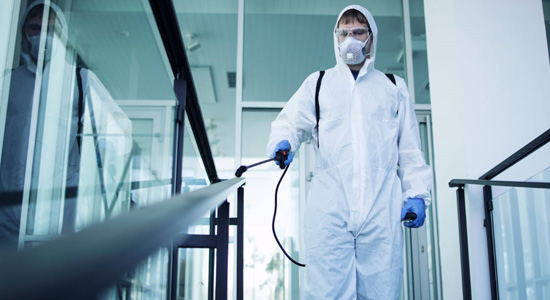
Ecoterma Pest Control: Comprehensive Guide to Thermal Fogging, Cold Fogging, and Residual Spray Treatment
In the ongoing battle against pests, advanced methods of pest control have become crucial to ensure effective and long-lasting results. Ecoterma Pest Control, a leading pest management company operating in 37 cities across India, offers a range of innovative services designed to address pest infestations comprehensively. Among these are thermal fogging, cold fogging, and residual spray treatments—each playing a vital role in maintaining pest-free environments in both residential and commercial settings.
1. Thermal Fogging: Targeted and Effective
Thermal fogging is a powerful pest control method that involves the use of heat to create a fine mist of chemical insecticides. This process is highly effective in targeting flying insects, such as mosquitoes, and is often used in large, open areas where conventional spraying methods might fall short.
Process:
- Preparation: Before thermal fogging, the area is prepared by sealing off any openings to prevent the fog from escaping. This ensures that the treatment reaches every corner of the space.
- Fogging: A thermal fogging machine heats the insecticide solution, turning it into a dense, fine mist. The fog is then released into the air, penetrating deep into cracks, crevices, and other hard-to-reach areas where pests may hide.
- Post-Treatment: The treated area is left undisturbed for a specific period, allowing the fog to settle and the insecticide to work effectively. Afterward, the area is ventilated to clear any residual fog.
Benefits:
- Comprehensive Coverage: Thermal fogging is highly effective in covering large areas and reaching difficult spots.
- Immediate Results: The fogging process delivers quick results, significantly reducing pest populations within a short time.
- Versatile Application: Ideal for both indoor and outdoor environments, including warehouses, factories, and residential complexes.
2. Cold Fogging: Precision and Safety
Cold fogging, also known as ULV (Ultra-Low Volume) fogging, is a more controlled method compared to thermal fogging. It involves the generation of fine droplets of insecticide at room temperature, making it safer for sensitive environments such as hospitals, schools, and homes.
Process:
- Preparation: Similar to thermal fogging, the area is sealed off to ensure the treatment is effective.
- Fogging: A cold fogging machine disperses the insecticide in ultra-fine droplets. The low-volume mist can penetrate even the smallest of spaces, targeting pests where they nest.
- Post-Treatment: The area is allowed to settle, and normal ventilation resumes after a brief period to ensure safety and effectiveness.
Benefits:
- Safety: Cold fogging is safer for use in occupied spaces, as it operates at room temperature, reducing the risk of fire hazards.
- Effective Penetration: The fine mist produced by cold fogging can reach into tiny cracks and crevices, ensuring thorough pest control.
- Less Residue: Cold fogging leaves behind minimal residue, making it a preferred choice for sensitive environments.
3. Residual Spray Treatment: Long-Lasting Protection
Residual spray treatment is a fundamental part of any comprehensive pest control strategy. Unlike fogging, which provides immediate results, residual sprays are designed to offer long-term protection by leaving a lasting chemical barrier that continues to eliminate pests even after the initial application.
Process:
- Inspection: Before applying the spray, a thorough inspection of the premises is conducted to identify high-risk areas where pests are likely to harbor.
- Application: The insecticide is sprayed onto surfaces such as walls, floors, and around entry points. The solution dries on the surfaces, leaving behind a residual layer that remains effective for weeks or even months.
- Follow-Up: Regular follow-up treatments may be recommended depending on the severity of the infestation and the specific pest being targeted.
Benefits:
- Prolonged Effectiveness: Residual sprays provide long-lasting pest control, preventing re-infestations over time.
- Versatility: Effective against a wide range of pests, including ants, cockroaches, spiders, and more.
- Cost-Effective: Residual sprays are a cost-effective solution for ongoing pest management, reducing the need for frequent re-treatments.
Why Choose Ecoterma Pest Control?
Ecoterma Pest Control stands out for its commitment to using advanced, safe, and effective pest control methods. Our thermal fogging, cold fogging, and residual spray treatments are tailored to meet the unique needs of our clients, ensuring that their premises remain pest-free. Whether you require a one-time service or ongoing pest management, Ecoterma Pest Control has the expertise and resources to deliver exceptional results.
For more information or to schedule a consultation, contact us today and take the first step towards a pest-free environment.
Ecoterma Cockroach Control: Gel Treatment and Spray Treatment Process
Cockroaches are not just a nuisance; they are carriers of harmful bacteria and pathogens, posing significant health risks to both residential and commercial spaces. Understanding the severity of the problem, Ecoterma Pest Control offers advanced and highly effective cockroach control solutions through two primary methods: Gel Treatment and Spray Treatment.
1. Gel Treatment Process
The Gel Treatment method is an innovative and targeted approach to cockroach control. It is designed to be highly effective while minimizing disruption to your daily life.
How It Works:
- Application: A small amount of gel bait is strategically applied in areas where cockroaches are known to hide or traverse. This includes crevices, cracks, behind appliances, and other hard-to-reach spots.
- Attraction: The gel is formulated to be irresistible to cockroaches. Once they consume the bait, the active ingredient starts working within their system, disrupting their normal physiological processes.
- Colony Eradication: One of the unique features of gel treatment is the "domino effect." Cockroaches that have ingested the bait return to their nests, where they contaminate other members of the colony through feces or direct contact, leading to a broader extermination.
Advantages:
- Non-Disruptive: Gel treatment is odorless, and there's no need to vacate the premises during or after application. This makes it an ideal solution for homes, offices, and commercial establishments.
- Targeted and Safe: The gel is applied in a controlled manner, ensuring that it targets only cockroaches, with minimal risk to humans and pets.
- Long-Lasting: The gel remains effective for weeks, providing ongoing protection against re-infestation.
2. Spray Treatment Process
Spray Treatment is another powerful method for cockroach control, particularly effective in areas with heavy infestations.
How It Works:
- Inspection: Before spraying, a thorough inspection is carried out to identify high-activity zones, including dark corners, under sinks, around garbage bins, and other cockroach-prone areas.
- Preparation: Depending on the severity of the infestation, occupants may need to vacate the premises for a short period to allow for proper application.
- Application: A specialized insecticidal spray is evenly applied across all identified zones. The spray targets both visible cockroaches and those hiding in crevices or behind walls.
- Residual Effect: The spray leaves behind a residual effect that continues to kill cockroaches long after the initial treatment, ensuring lasting protection.
Advantages:
- Quick Knockdown: Spray treatment provides an immediate reduction in cockroach numbers, making it ideal for severe infestations.
- Comprehensive Coverage: The spray reaches areas that may be difficult to treat with other methods, ensuring that no cockroach is left untouched.
- Safe and Effective: Ecoterma uses eco-friendly and safe insecticides that comply with industry standards, ensuring effective pest control without compromising the health of occupants.
Why Choose Ecoterma for Cockroach Control?
Ecoterma Pest Control combines expertise with the latest technology to offer customized cockroach control solutions that fit the specific needs of your home or business. Our team of trained professionals ensures that every treatment is carried out with precision and care, guaranteeing effective results.
Whether you opt for the discreet Gel Treatment or the thorough Spray Treatment, Ecoterma's cockroach control services are designed to keep your premises cockroach-free, creating a healthier and more comfortable living and working environment.
For more information or to schedule a consultation, contact Ecoterma Pest Control today. Say goodbye to cockroaches and hello to peace of mind!
Ecoterma Pest Control: Comprehensive Bird Control Solutions with Spikes and Netting
Birds, while beautiful and essential to the ecosystem, can become a nuisance when they invade urban spaces, especially residential and commercial buildings. They often roost on ledges, rooftops, and other structures, leading to problems such as noise, droppings, and potential damage to property. To address these challenges, Ecoterma Pest Control offers a range of bird control solutions, including bird spikes and netting, designed to keep buildings bird-free while ensuring humane treatment of these creatures.
The Importance of Bird Control
Bird infestations can lead to several issues:
- Health Hazards: Bird droppings carry diseases like histoplasmosis, cryptococcosis, and psittacosis, which can be harmful to humans.
- Property Damage: Droppings are acidic and can corrode building materials. Birds can also cause physical damage by pecking at structures.
- Noise and Disturbance: The constant cooing and flapping can be a significant nuisance, particularly in residential areas.
- Blocked Ventilation Systems: Birds nesting in vents can obstruct airflow, leading to reduced efficiency in heating and cooling systems.
Ecoterma Bird Control Spikes
Bird spikes are one of the most effective and humane bird deterrents. These spikes are long, needle-like rods made of durable materials such as stainless steel or polycarbonate. They are designed to be installed on ledges, window sills, rooftops, and other surfaces where birds tend to perch.
Key Features of Ecoterma Bird Spikes:
- Humane Solution: Bird spikes do not harm birds. Instead, they create an uncomfortable landing area, deterring them from perching without causing injury.
- Durable Material: Made from high-quality materials, Ecoterma bird spikes are weather-resistant and can withstand harsh environmental conditions, ensuring long-lasting protection.
- Easy Installation: The spikes are simple to install on various surfaces using adhesives, screws, or clips. Ecoterma's professionals ensure that the spikes are securely attached and provide maximum coverage.
- Versatile Application: Suitable for both residential and commercial buildings, these spikes can be customized to fit different architectural designs and specific problem areas.
Ecoterma Bird Control Netting
Bird netting is another effective method to prevent birds from accessing certain areas of a building. This solution is ideal for larger spaces such as courtyards, warehouses, gardens, and balconies, where spikes alone may not be sufficient.
Key Features of Ecoterma Bird Netting:
- High-Quality Materials: Ecoterma uses UV-stabilized, rot-proof polyethylene netting that is strong, durable, and capable of withstanding all weather conditions.
- Custom Fitting: The netting is customized to fit the specific dimensions of the area to be protected, ensuring complete coverage and preventing birds from finding gaps to squeeze through.
- Discreet Appearance: The netting is available in various colors, including black, white, and stone, allowing it to blend seamlessly with the building's aesthetics.
- Long-Lasting Protection: Once installed, the netting provides a long-term solution to bird infestations, with minimal maintenance required.
The Ecoterma Installation Process
At Ecoterma Pest Control, the bird control process is systematic and thorough, ensuring the best possible results for our clients.
- Site Inspection: The first step is a detailed inspection of the premises to identify the problem areas, the species of birds involved, and the extent of the infestation.
- Customized Plan: Based on the inspection, Ecoterma develops a tailored bird control plan that outlines the most effective combination of spikes and netting, as well as the optimal installation points.
- Installation: The installation is carried out by trained professionals who ensure that the spikes and netting are securely and correctly installed. The process is designed to minimize disruption to the client's daily activities.
- Post-Installation Inspection: After installation, a thorough check is conducted to ensure that all potential entry points are covered and that the bird control measures are functioning effectively.
- Maintenance and Support: Ecoterma offers ongoing maintenance and support to ensure the long-term effectiveness of the bird control solutions. Regular inspections can be arranged to check for wear and tear or any potential breaches in the netting.
Conclusion
Bird control is a critical aspect of property maintenance, especially in urban areas where birds can cause significant damage and health risks. Ecoterma Pest Control's bird spikes and netting solutions offer a humane, effective, and long-lasting approach to keeping buildings bird-free. With a commitment to quality, professionalism, and customer satisfaction, Ecoterma ensures that your property remains protected, allowing you to enjoy a cleaner, quieter, and safer environment.
For more information on Ecoterma Pest Control's bird control services, or to schedule a consultation,
please contact us at solutionecoterma@gmail.com or call us at +919289609208.
Integrated Pest Management (IPM): A Comprehensive Approach to Pest Control
Integrated Pest Management (IPM) is an environmentally responsible and effective approach to managing pests in both agricultural and non-agricultural settings. Unlike traditional pest control methods, which often rely heavily on chemical pesticides, IPM focuses on a holistic strategy that combines various techniques to minimize pest damage while reducing risks to human health, beneficial organisms, and the environment.
Key Principles of IPM
- Prevention: The first and most crucial step in IPM is prevention. By designing environments that are inhospitable to pests, the need for chemical interventions can be greatly reduced. This includes practices such as proper sanitation, choosing pest-resistant plant varieties, rotating crops, and maintaining healthy soil.
- Monitoring and Identification: Regular monitoring and accurate identification of pest species are essential components of IPM. This involves scouting and inspecting the area to determine the presence of pests, their population levels, and the potential for damage. Proper identification ensures that control measures are targeted and effective, reducing the unnecessary use of broad-spectrum pesticides.
- Setting Action Thresholds: IPM requires setting action thresholds, which are the levels of pest populations at which action must be taken to prevent unacceptable damage. This step helps avoid the indiscriminate application of pesticides, ensuring that interventions are only used when necessary.
- Control Methods: IPM employs a combination of control methods that are effective, economical, and environmentally sound. These methods can be grouped into four categories:
- Cultural Controls: These involve altering the environment to make it less conducive to pests. Examples include crop rotation, intercropping, and maintaining optimal planting times.
- Mechanical and Physical Controls: These include barriers, traps, mulches, and other methods that physically remove or block pests from the target area.
- Biological Controls: This approach uses natural predators, parasites, or pathogens to control pest populations. For example, ladybugs can be introduced to control aphid populations in gardens.
- Chemical Controls: While IPM aims to minimize the use of chemicals, pesticides may be used when other methods fail to keep pest populations below action thresholds. The emphasis is on using targeted, low-toxicity pesticides with minimal environmental impact.
- Evaluation: After implementing control measures, it is crucial to evaluate their effectiveness. This step involves ongoing monitoring and assessment to determine if the pest population is being managed successfully and if any adjustments to the strategy are needed.
Benefits of IPM
- Environmental Protection: By reducing reliance on chemical pesticides, IPM helps protect ecosystems, water sources, and non-target species, including beneficial insects, birds, and pollinators.
- Human Health: IPM minimizes the risks associated with pesticide exposure, which can have serious health implications for humans, especially in residential and agricultural settings.
- Economic Efficiency: IPM can be more cost-effective in the long run, as it focuses on prevention and sustainable practices rather than repeated pesticide applications.
- Sustainability: IPM promotes long-term pest management solutions that are sustainable and less likely to lead to pest resistance.
Implementing IPM
Implementing an IPM program requires careful planning and commitment. It involves collaboration among pest control professionals, farmers, property owners, and other stakeholders to develop a customized strategy tailored to specific pest issues and environments. Training and education are also critical components, ensuring that everyone involved understands the principles and practices of IPM.
Conclusion
Integrated Pest Management is a forward-thinking approach that balances the need for effective pest control with the imperative of environmental stewardship. By combining prevention, monitoring, and a variety of control methods, IPM provides a sustainable solution to pest management challenges. Whether in agriculture, urban settings, or natural landscapes, IPM offers a practical and responsible path to maintaining healthy ecosystems and communities.
This article outlines the process and importance of Integrated Pest Management, emphasizing its benefits and practical implementation. If you'd like to include specifics related to your pest control services, feel free to let me know!